


Why Do Dogs Have Dew Claws? A Complete Guide for Dog Owners
If you’ve ever examined your dog’s paws closely, you may have asked yourself: Why do dogs have dew claws? These small, thumb-like digits sit slightly higher on the inside of a dog’s leg. Although some owners remove them early in life, dew claws serve important structural and functional roles.
So, let’s explore what dew claws are, why dogs have dew claws, and why many knowledgeable breeders choose to keep them intact.
Have we met?
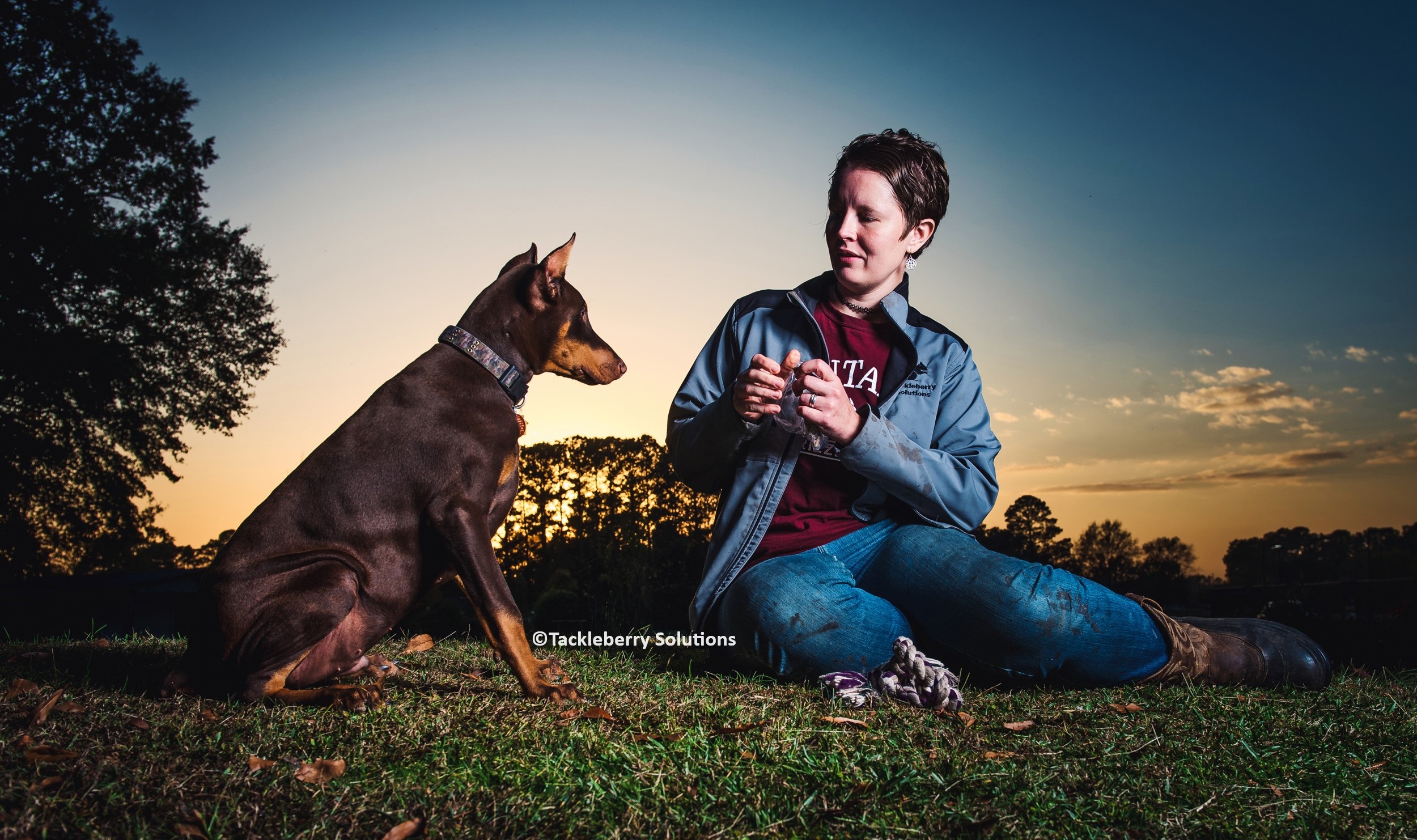
Hello, my name is Amy Arthur. Your Doberman breeder and guide. My goal is to help you determine compatibility and gain the confidence that you would require in order comfortably handle this unique breed.
Above all, your ability to understand the psychology behind the Doberman's needs is a crucial element for excellent ownership. My gift to you, sharing everything I know about them. Indeed, no one should have to rely on blind google searches to uncover the Doberman's secrets.
What Are Dew Claws in Dogs?
Dew claws are the extra digits located on the inside of a dog’s front legs, and sometimes on the hind legs. Unlike the primary toes, dew claws usually do not make contact with the ground during normal walking.
However, they are far from useless. Front dew claws attach directly to bone and connect through tendons and muscles. Because of that anatomical connection, dogs actively use them. Rear dew claws, by contrast, often attach only by skin and may lack muscular structure.
This distinction matters. Front dew claws function as part of the dog’s working anatomy.
You may also enjoy: Revealed: What Makes Blue Doberman Dogs Unique?
Why Do Dogs Have Dew Claws on Their Front Legs?
When asking why do dogs have dew claws, the clearest answer involves biomechanics and evolution.
Dogs descended from wild canids that relied on speed, agility, and grip to survive. Front dew claws help stabilize the carpal (wrist) joint during high-speed turns. For example, when a dog runs and changes direction quickly, the dew claw digs into the ground and helps prevent excess torque on the leg.
In addition, dogs use their dew claws to:
Dr. Chris Zink, DVM, PhD, a respected canine sports medicine specialist, explains:
“The dewclaw is not a vestigial structure. It serves a purpose, particularly in canine athletes.”
Therefore, dew claws contribute directly to joint stability and controlled movement—especially in active and working dogs.
Recommended Reading: Can you ship a dog? The hidden risks of budget travel
The Importance of Dew Claws in Working and Protection Dogs
Understanding why dogs have dew claws becomes even more important when evaluating working and protection breeds.
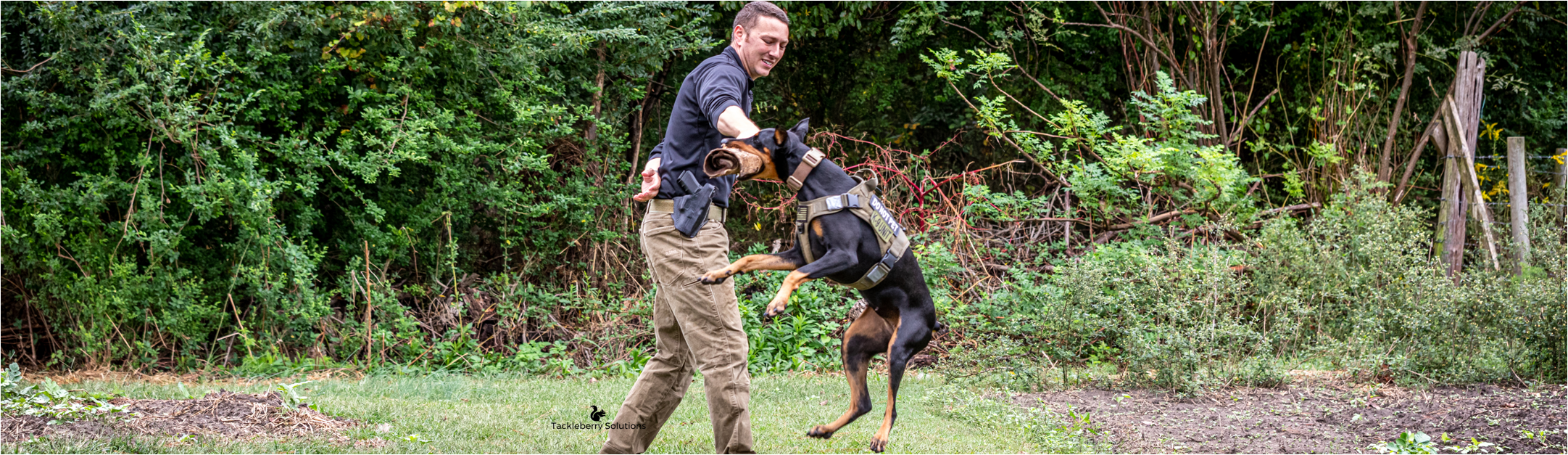
Protection dogs rely heavily on explosive movement, rapid directional changes, and strong front-limb engagement. During apprehension, defensive positioning, or high-speed pursuit, they must plant, pivot, and brace their front legs under force.
Because front dew claws support wrist stabilization, they may enhance structural integrity under stress. In high-drive working dogs, every anatomical advantage matters.
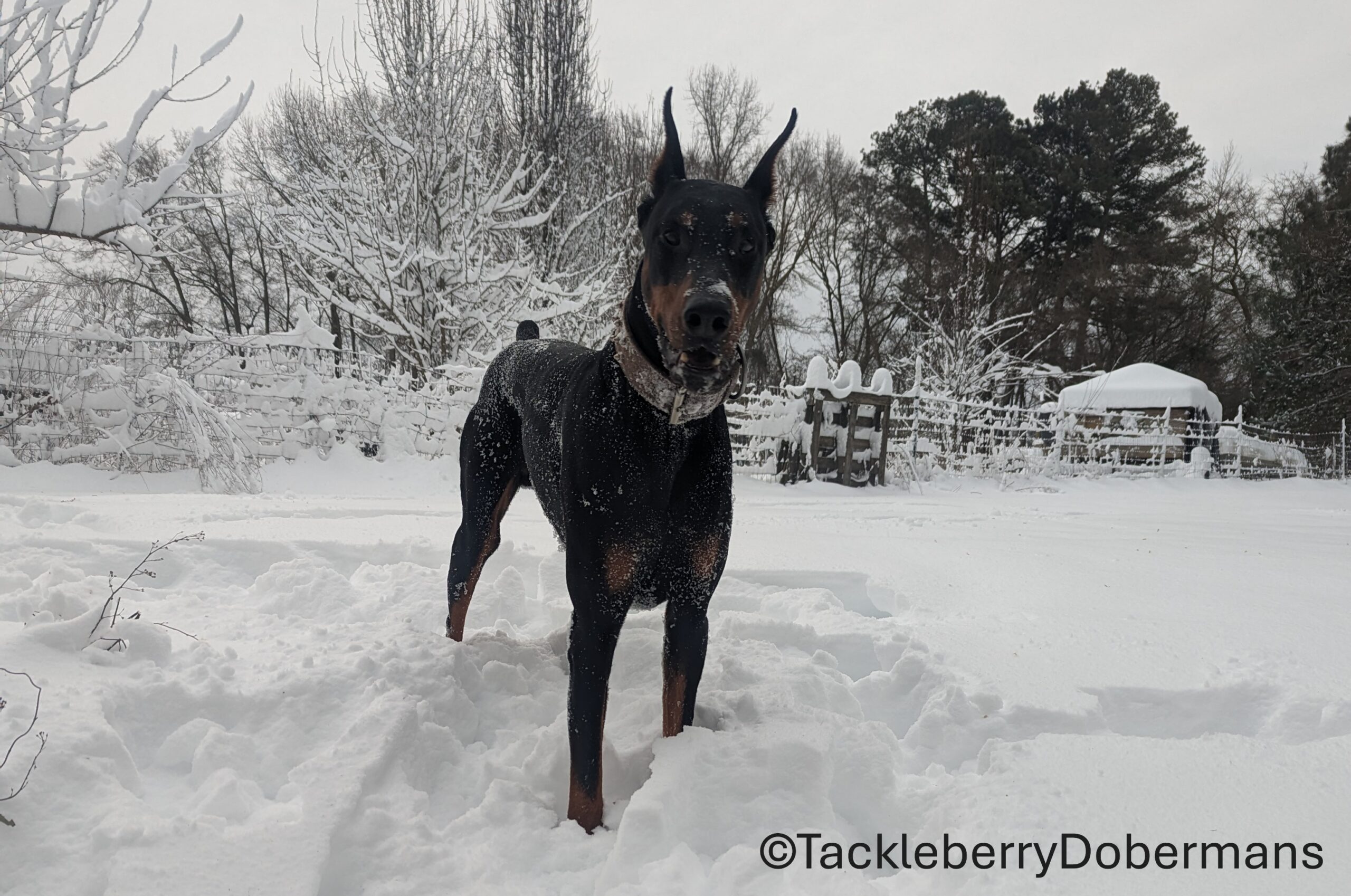
For this reason, some professional breeders intentionally leave dew claws intact. For example, Tackleberry Dobermans chooses not to remove dew claws in their Dobermans. The goal involves preserving the dog’s full athletic capability and natural biomechanics, which can support performance in personal protection, working, and family guardian roles.
By maintaining the dew claws, these breeders aim to:
In other words, they view dew claws as functional tools—not cosmetic features.
Suggested Reading: Scam Breeders alert: Ensuring your Doberman breeder is legit
Why Do Dogs Have Dew Claws if Some Are Removed?
Despite their functional value, many breeders remove dew claws within the first few days of life. Historically, removal aligned with show standards, injury prevention concerns, or tradition.
Some argue that dew claws may snag on fencing or brush. While injuries can occur, they remain relatively uncommon in well-conditioned dogs with properly trimmed nails.
Importantly, front dew claws connect to muscle and bone. Consequently, removing them alters the natural structure of the forelimb. Some veterinary professionals suggest that removing these stabilizing digits may increase stress on the carpal joint over time—especially in athletic dogs.
Rear dew claws differ. Since they often lack strong structural attachment, veterinarians may recommend removal if they hang loosely or tear easily.
Why Do Dogs Have Dew Claws on Their Back Legs?
Most dogs only have front dew claws. However, certain breeds, such as the Great Pyrenees and Briard, commonly have rear dew claws, sometimes even double.
Breed standards may require them due to historical working traits. Nevertheless, rear dew claws generally provide less mechanical function than front dew claws, particularly when they lack bony attachment.
The Evolutionary Perspective: Why Do Dogs Have Dew Claws?
From an evolutionary standpoint, dew claws represent a remnant of the ancestral fifth digit. Early mammals possessed five functional toes. Over time, dogs evolved to bear weight primarily on four digits, yet the dew claw remained.
However, unlike truly vestigial structures, the front dew claw retained function. Because it still assists with stabilization and grip, natural selection did not eliminate it.
Thus, dew claws persist because they continue to offer mechanical advantages.
How to Care for Dew Claws

Since dew claws do not wear down naturally during walking, they require consistent trimming. If neglected, the nail can curl inward and embed into the skin.
To protect your dog:
Routine grooming ensures dew claws remain functional and injury-free.
Frequently Asked Questions
Why do dogs have dew claws?
Dogs have dew claws to stabilize their front legs, improve grip, and support sharp turns during movement. Front dew claws connect to bone and muscle, making them functional digits.
Do dew claws serve a real purpose?
Yes. Dew claws help dogs grip objects, climb out of water, and maintain wrist stability during high-speed movement. They are especially useful in athletic and working breeds.
Should dew claws be removed?
Removal depends on the dog. Front dew claws provide structural benefits, particularly in active dogs. However, veterinarians may recommend removing loosely attached rear dew claws if they pose an injury risk.
Why does Tackleberry Dobermans keep dew claws?
I keep dew claws to preserve natural biomechanics, joint stability, and full athletic performance.
Are dew claws necessary for protection dogs?
While not mandatory, front dew claws may support wrist stabilization during rapid movement, bracing, and directional changes common in protection work.
Final Thoughts:
So, why do dogs have dew claws? The answer combines evolution, biomechanics, and performance. Front dew claws help stabilize the wrist, support rapid movement, and assist with grip.
Moreover, in working and protection dogs, dew claws may contribute to structural strength and athletic performance. Therefore, some professional breeders choose to preserve them to maintain the dog’s full natural capability.
Ultimately, dew claws reflect purposeful design—not accidental anatomy. Before deciding on removal, consider your dog’s breed, activity level, and long-term structural health. Most importantly, consult a qualified veterinarian who understands canine biomechanics.